


Plastics for Environment 
& Sustainable Development

Plastics for Environment 
& Sustainable Development

Overview of Plastics

Plastic have moulded the modern world and transformed the quality of life. There is no human activity where plastics do not play a key role from healthcare & medical to education, pipes for water, gas and sewerage, building & construction, clothing to shelter, from transportation to communication, electricals & electronics, agriculture and food, households and furniture and packaging.

Life Cycle Analysis

Life Cycle Analysis is an effective tool to measure the impact of a product or process on the environment. While analyzing the impact / effect of a material on the environment, Life Cycle Impact Assessment (LCIA) of the material is assessed in every stage during its production from the resource to its disintegration or disposal after use.

Plastic Recycling

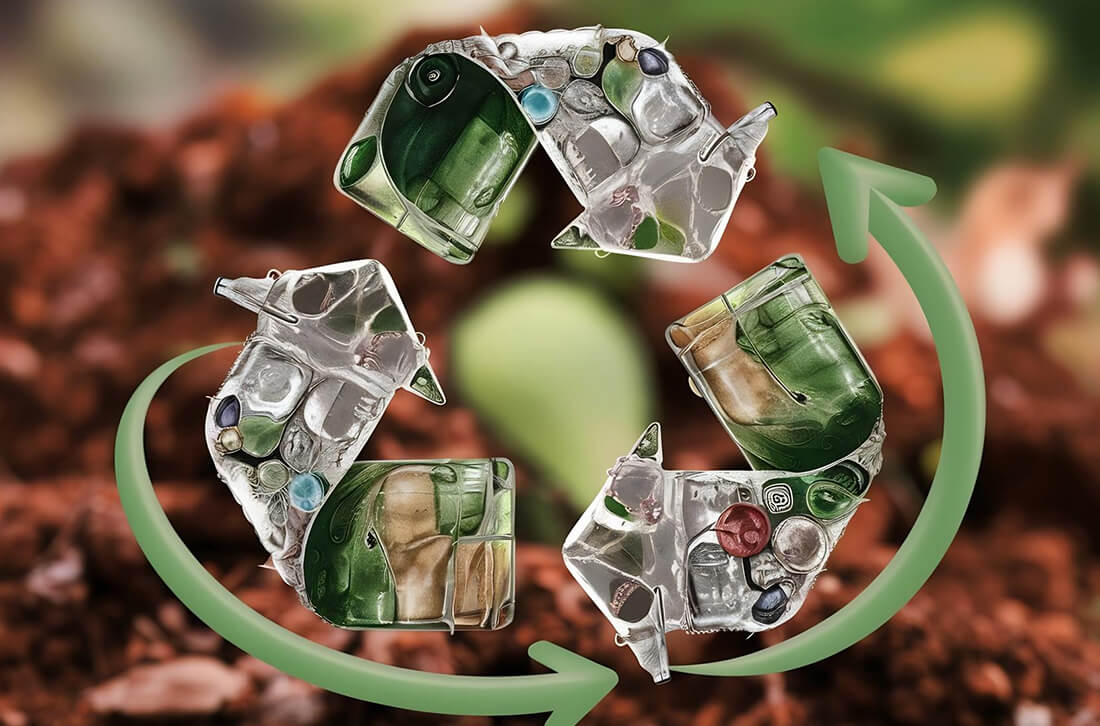
Recycling is the process of transforming waste into usable products and thus helping resource conservation. This results in reducing the impact of environmental pollution on earth. Plastics Recycling is an essential process of the plastics waste management.

Laws & Guidelines

Gazette Notifications of activities on Plastics and the Environment, published by government departments and statutory bodies. Product and Process Standards drafted and published by Bureau of Indian Standards and International Standardising bodies for the benefit of consumers and all stake holders.

Plastics for Environment 
& Sustainable Development

OVERVIEW OF PLASTICS

OVERVIEW OF PLASTICS

Plastic have moulded the modern world and transformed the quality of life. There is no human activity where plastics do not play a key role from healthcare & medical to education, pipes for water, gas and sewerage, building & construction, clothing to shelter, from transportation to communication, electricals & electronics, agriculture and food, households and furniture and packaging.

LIFE-CYCLE ANALYSIS & REPORTS

LIFE-CYCLE ANALYSIS & REPORTS

Life Cycle Analysis is an effective tool to measure the impact of a product or process on the environment. While analyzing the impact / effect of a material on the environment, Life Cycle Impact Assessment (LCIA) of the material is assessed in every stage during its production from the resource to its disintegration or disposal after use.

PLASTIC
RECYCLING

PLASTIC
RECYCLING

Recycling is the process of transforming waste into usable products and thus helping resource conservation. This results in reducing the impact of environmental pollution on earth. Plastics Recycling is an essential process of the plastics waste management.

LAWS & STANDARDS
(GUIDELINES)

LAWS & STANDARDS
(GUIDELINES)

Gazette Notifications of activities on Plastics and the Environment, published by government departments and statutory bodies. Product and Process Standards drafted and published by Bureau of Indian Standards and International Standardising bodies for the benefit of consumers and all stake holders.

ICPE Charter

Explore key aspects of plastics sustainability, including lifecycle analysis, regulations, and environmental impact. Learn how responsible practices and innovation can shape a greener future.

Assessing plastics’ impact from creation to disposal.

Ensuring compliance with environmental regulations

Providing insights on plastics and sustainability.

What We Promote

Living in Harmony with Nature

Recycle

Transforming plastic waste into new, usable products to minimize environmental impact.

Reuse

Encouraging the extended use of plastic materials to reduce waste generation.

Reduce

Minimizing plastic consumption through smarter choices and sustainable alternatives.

Recover

Harnessing energy and resources from plastic waste for a circular economy.

Recycle

Transforming plastic waste into new, usable products to minimize environmental impact.

Reuse

Encouraging the extended use of plastic materials to reduce waste generation.

Reduce

Minimizing plastic consumption through smarter choices and sustainable alternatives.

Recover

Harnessing energy and resources from plastic waste for a circular economy.

About Us

The Indian Centre for Plastics in the Environment (ICPE) was established in 1999 under the recommendation of the Ministry of Environment and Forests (MoEF) and is recognized as the nodal agency by the Government of India for addressing plastics and environmental concerns. Our mission is to promote sustainable waste management practices by fostering awareness, technological advancements, and policy support. Through close collaboration with government bodies, industry stakeholders, and environmental organizations, we work towards minimizing plastic waste and maximizing its recyclability.

At ICPE, we believe that plastics, when managed responsibly, can play a vital role in resource conservation and environmental sustainability. Our initiatives focus on educating the public about proper plastic disposal, reducing littering, and encouraging innovative recycling solutions. By integrating global best practices, driving research and development, and supporting eco-friendly applications, we strive to create a circular economy where plastics are seen as a valuable resource rather than waste.

About Us

The Indian Centre for Plastics in the Environment (ICPE) was established in 1999 under the recommendation of the Ministry of Environment and Forests (MoEF) and is recognized as the nodal agency by the Government of India for addressing plastics and environmental concerns. Our mission is to promote sustainable waste management practices by fostering awareness, technological advancements, and policy support. Through close collaboration with government bodies, industry stakeholders, and environmental organizations, we work towards minimizing plastic waste and maximizing its recyclability.


At ICPE, we believe that plastics, when managed responsibly, can play a vital role in resource conservation and environmental sustainability. Our initiatives focus on educating the public about proper plastic disposal, reducing littering, and encouraging innovative recycling solutions. By integrating global best practices, driving research and development, and supporting eco-friendly applications, we strive to create a circular economy where plastics are seen as a valuable resource rather than waste.

Vision

To improve knowledge and awareness about the environmental benefits of plastics and promote responsible use, recycling, and recovery, ensuring a sustainable future for generations to come.

Know about plastics

Overview of plastics

Understanding plastics' role in modern industries and sustainability.

Types of plastics

Exploring diverse plastic materials and their applications.

Resource Conservation

Maximizing efficiency through sustainable plastic use strategies.

Issues

Addressing environmental challenges related to plastic waste management.

Recycling

Transforming plastic waste into reusable and valuable resources.

Events & Results

News Letters

Stay Informed, Stay Sustainable!

Subscribe to our newsletter for the latest updates on plastics, recycling innovations,
environmental policies, and sustainable solutions.